Frankenstein in Conversation with Poor Things
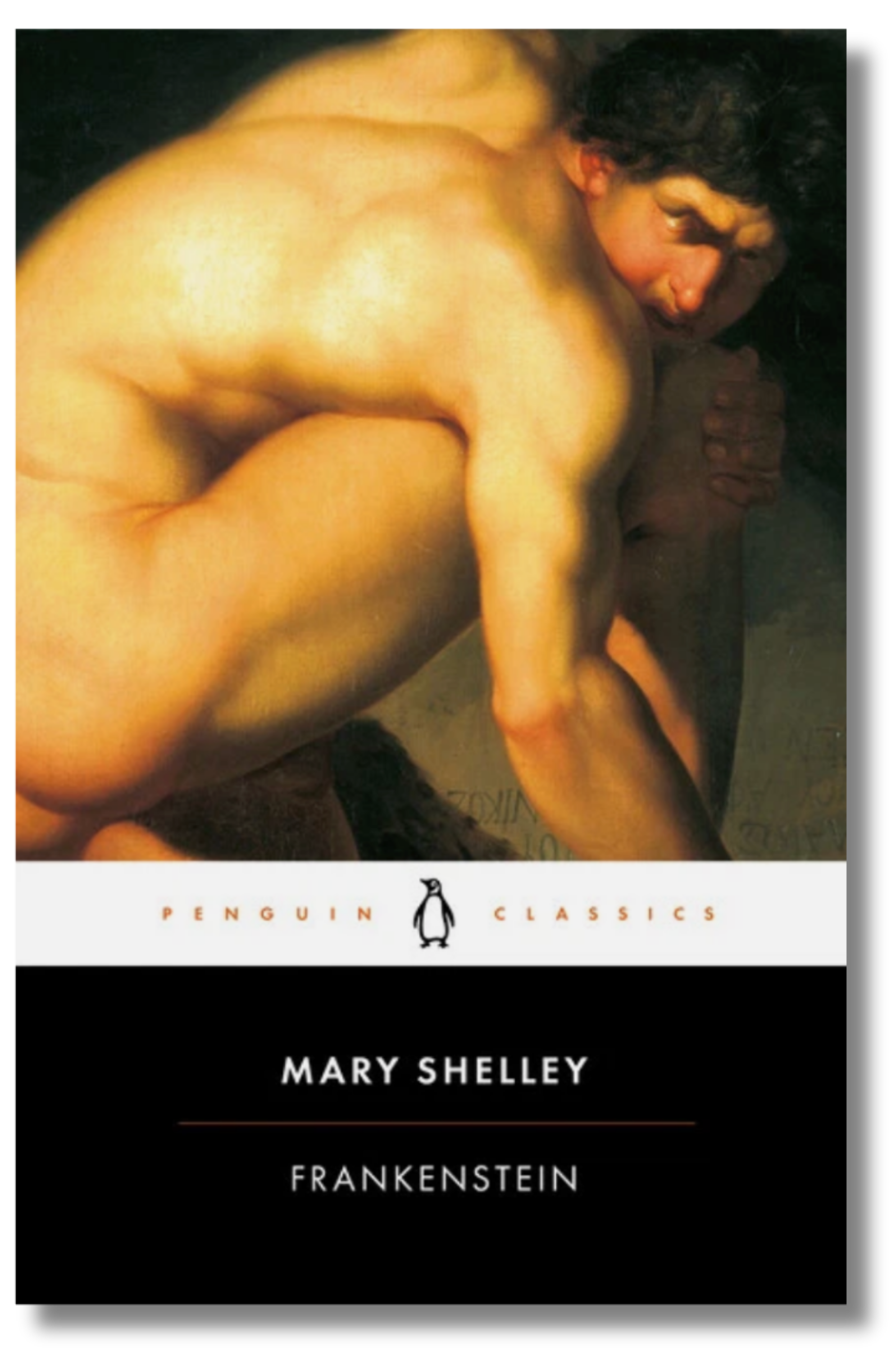
Join us for a deep reading of Mary Shelley’s novel, Frankenstein in conversation with the film Poor Things (2023), directed by Yorgos Lanthimos.
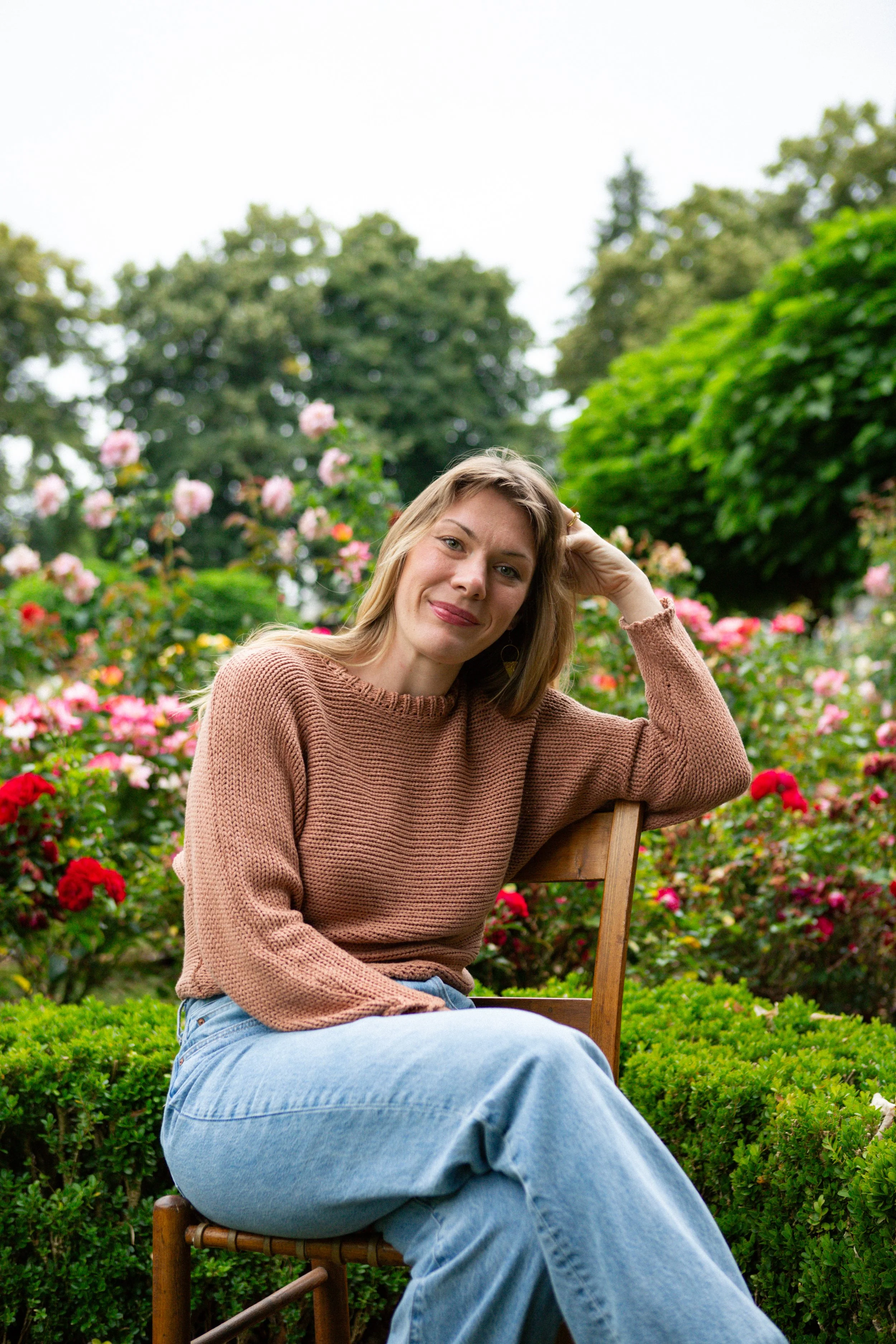
There are two four-week cohorts—held on Sunday and Monday evenings—taught and facilitated by Lauren Frey, M.A.
Why does Victor Frankenstein run away from The Creature he has made? How does language itself operate as a theme? What defines “the monstrous"? How does The Creature threaten, transgress, or represent the “other”?
Written in Geneva on a very rainy summer in 1816 (caused by weather patterns from the eruption of Mount Tambora in Indonesia), Frankenstein is one of the best-known works of literature written in the English language. The young Mary Shelley wrote it as a response to a dare: to come up with “a ghost story.” From this prompt, Shelley thought of a tale that fits with the classic Gothic horror novel, while also inventing the first science fiction novel of all time (the horror is caused by the product of science).
Frankenstein was also written in the midst of the first industrial revolution: at a time when there were debates about the boundaries of knowledge and risks of innovation. By encapsulating the current scientific and moral questions of her day, she managed to create a text that still belongs to us—that still offers us a modern myth and a symbol for the same kind of moral questions. What is the cost of invention? What responsibilities do creators have to what they have created? What makes “a monster”?
Frankenstein, by Mary Shelley, Penguin Classics Edition.
- The Penguin Classics edition is based on the third edition of the novel, published in 1831, which includes an introduction and notes by Maurice Hindle, all the revisions Mary Shelley made to her story, as well as her 1831 introduction and Percy Shelley’s preface to the first edition.
Poor Things, directed by Yorgos Lanthimos, based on the book by Alasdair Gray.
- In our final session, we will discuss an analyze the film Poor Things, which you can rent or buy on Youtube (or elsewhere). Poor Things (2023) is an adaptation of a 1992 novel of the same title by Scottish writer Alasdair Gray, a postmodern retelling of Frankenstein.
Register by Wednesday, July 8th! Cohorts run from July 12 to August 3, 2026.
What you’ll get from the course
Deep reading of Mary Shelley’s Frankenstein, with plenty of time to pay close attention to the language, plot, and ethical questions within the text.
Opportunities to dialogue and navigate the text collaboratively to ask questions, develop interpretations, and give confident answers, working together toward persuasive, authentic expression.
A strong understanding of what makes Frankenstein so enduringly fascinating and how it informs our current world. We’ll explore:
Themes of sympathy, revenge, madness, and ambition;
Popular interpretations around the risks and dangers of science and technological advancements;
Notions of monsters and monstrosity.
A comparative analysis of Frankenstein and the 2023 film Poor Things, situating the novel within a contemporary artistic context and exploring the complexities within both works.
Creative writing and research prompts on how Frankenstein inspires or informs your worldview: your vocation and creative work, your ideas on modern-day events, and other contemporary works of art.
A deepened, communal, and more confident reading practice, discovering what makes you feel most free as you translate your solo study into a group setting.
The Details
-
Over the course of four sessions, we’ll peel back the layers of Mary Shelley’s Frankenstein, spreading out the reading over the first three weeks. We’ll conclude the cohort with a discussion on the film Poor Things (2023), directed by directed by Yorgos Lanthimos, based on the book by Alasdair Gray. Poor Things (2023) is an adaptation of a 1992 novel of the same title by Scottish writer Alasdair Gray, a postmodern retelling of Frankenstein.
First Session: Read Frankenstein:
Author’s Introduction to the Standard Novels Edition (1831) by Mary Shelley
The Preface by Percy Shelley
Vol. 1, Letters 1-4
Vol. 1, Chapters 1-8 (pages 1-90)
Second Session: Read Frankenstein, Vol. 2, Chapters 1-8 (pages 91-151
Third Session: Read Frankenstein, Vol. 3, Chapters 1-7 (pages 156-225)
Fourth/Final Session: Watch and discuss the film Poor Things (2023) directed by Yorgos Lanthimos.
-
This cohort has seven seats available, to make that each student has plenty of chances to meaningfully participate.
-
Currently, Frankenstein is being offered as a four week (one session per week) course in July - August 2026. Please visit each specific book cohort page above and within our community for specific meeting dates and times.
-
All cohorts will meet online via Zoom., which will be accessible via our Circle platform.
“You are in the wrong,” replied the fiend; “and instead of threatening, I am content to reason with you.
I am malicious because I am miserable. Am I not shunned and hated by all mankind? You, my creator, would tear me to pieces and triumph; remember that, and tell me why I should pity man more than he pities me? You would not call it murder if you could precipitate me into one of those ice-rifts and destroy my frame, the work of your own hands.
Shall I respect man when he condemns me?”
—Mary Shelley’s Frankenstein, Chapter 17
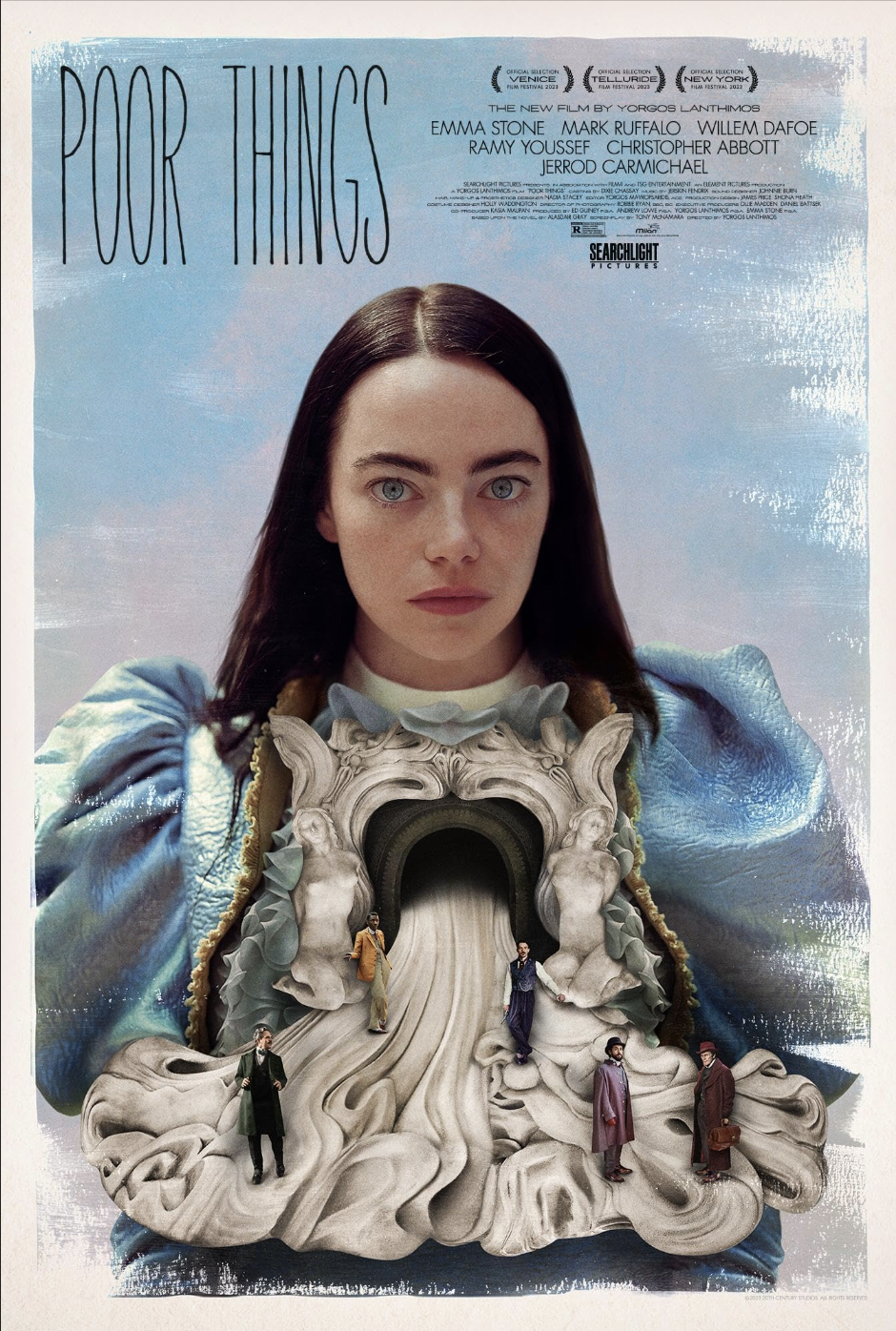
Poor Things, directed by Yorgos Lanthimos. Searchlight Pictures, 2023.