Shakespeare’s Hamlet
In this cohort, we will engage in a deep reading of one of William Shakespeare’s most famous and complex plays, Hamlet.
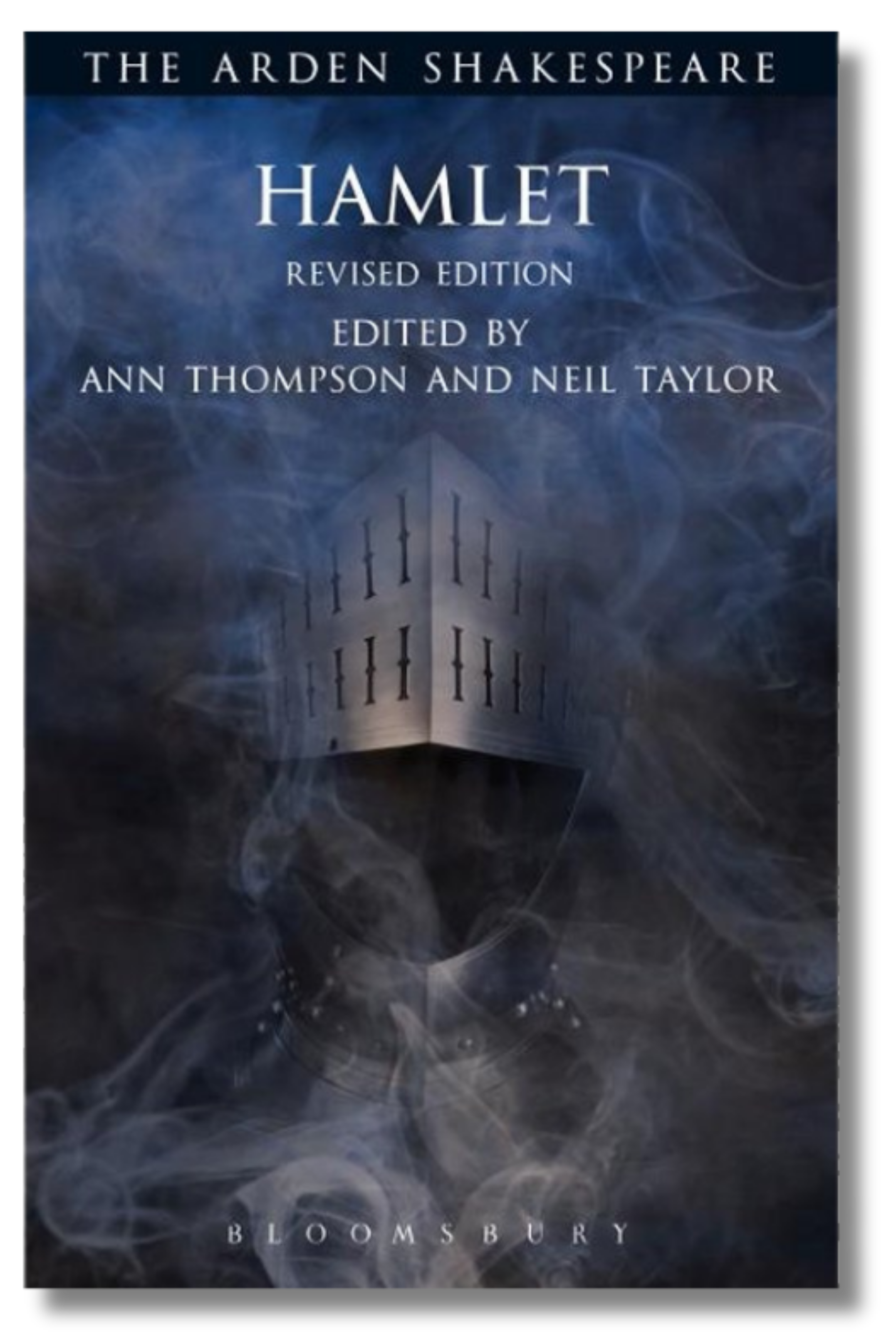
Why does Hamlet delay revenge? Is Hamlet really “mad”? What exactly is Gertrude guilty of? Wait, who’s Fortinbras, and why is there a geopolitical side-plot? What role does Ophelia play?
Written at the turn of the 17th century during the Elizabethan Renaissance, Hamlet has become a timeless story—but it was written at a very specific time of great transition and upheaval, both personally and nationally for Shakespeare. We know that William Shakespeare had a son who died in 1596 (a story fictionalized in the 2020 novel, Hamnet). His father died a few years later. Hamlet emerges as a play that begins with the death of a father and ends with the death of a son.
At the same time, on the national scale, Queen Elizabeth I’s reign was coming to a close. When Prince Hamlet says, “Time is out of joint; O cursed spite that ever I was born to set it right,” we see an agony that contains both personal and political grief about the new, impending order of his known world.
This is just one historical and autobiographical interpretation, but there’s so much more to be said when we read Hamlet together.
Hamlet, by William Shakespeare, Folger Shakespeare Library, edited by Barbara A. Mowat and Paul Werstine
- This authoritative edition includes notes on the text, plot points, and more. If students already have another edition that they would rather use, that is fine. Please just make sure it includes line numbers so that we can easily follow along with each other.
Hamlet, directed by Gregory Doran, 2009
- For the film adaptation, students can rent or buy the film here on Apple TV (or elsewhere). This is an excellent, true-to-text modern adaptation that captures the energy of a stage performance while incorporating really amazing camera techniques, drawing on the theme of surveillance in Hamlet.
What you’ll get from the course
Read Hamlet with close attention to the language, plot, and ethical questions within the text.
Gain a strong understanding of what makes Hamlet so enduringly fascinating, such as: its themes of grief, madness, and revenge; its speeches and soliloquies; its geopolitical side-plot; and its popular interpretations in performance.
Learn and practice dialogue skills, navigating through the text collaboratively to express opinions, ask questions, develop interpretations, and give confident answers — working toward persuasive, authentic expression.
Engage in a comparative reading and analysis by watching Gregory Doran’s 2009 film adaptation of Hamlet to further explore complexities and tensions within the work, as well as to situate it within a new artistic context.
Reflect on ways in which Hamlet informs our current world — individually and collectively: your vocation and creative work, and modern-day events, and other contemporary art.
The Details
-
Over the course of this cohort, we’ll peel back the layers of Shakespeare’s Hamlet, spreading out the reading over the first three weeks. In the final session, we’ll conclude the cohort with a critical discussion on Gregory Doran’s 2009 version of Hamlet.
First Session: Read and Discuss Hamlet, Acts 1 - 2
Second Session: Read and Discuss Hamlet, Acts 3 - 5
Third/Final Session: Watch Gregory Doran’s 2009 Hamlet film adaptation.
-
All of our book cohorts have seven seats available, to make that each student has plenty of chances to meaningfully participate.
-
Currently, Hamlet is being offered as a three week (one session per week) course in June 2026. Please visit each specific book cohort page above and within our community for specific meeting dates and times.
-
All cohorts will meet online via Zoom, which will be accessed via our Circle platform.
OPHELIA
There’s rosemary, that’s for remembrance.
Pray you, love, remember. And there is pansies,
that’s for thoughts.
LAERTES
A document in madness: thoughts and remembrance fitted.
OPHELIA
There’s fennel for you, and columbines.
There’s rue for you, and here’s some for me; we
may call it herb of grace o’ Sundays. You must wear
your rue with a difference. There’s a daisy. I would
give you some violets, but they withered all when
my father died. They say he made a good end.
Sings. For bonny sweet Robin is all my joy.
Hamlet by William Shakespeare
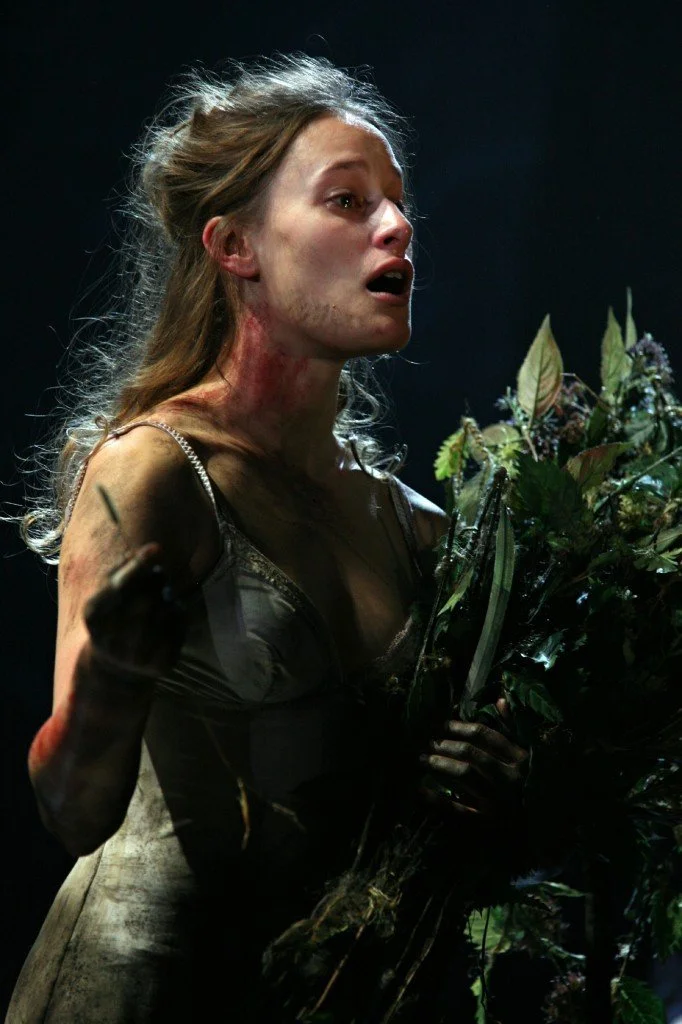
Ophelia, played superbly by Mariah Gale, in the 2008/9 production of Hamlet starring David Tennant and directed by Greg Doran
Your Instructor
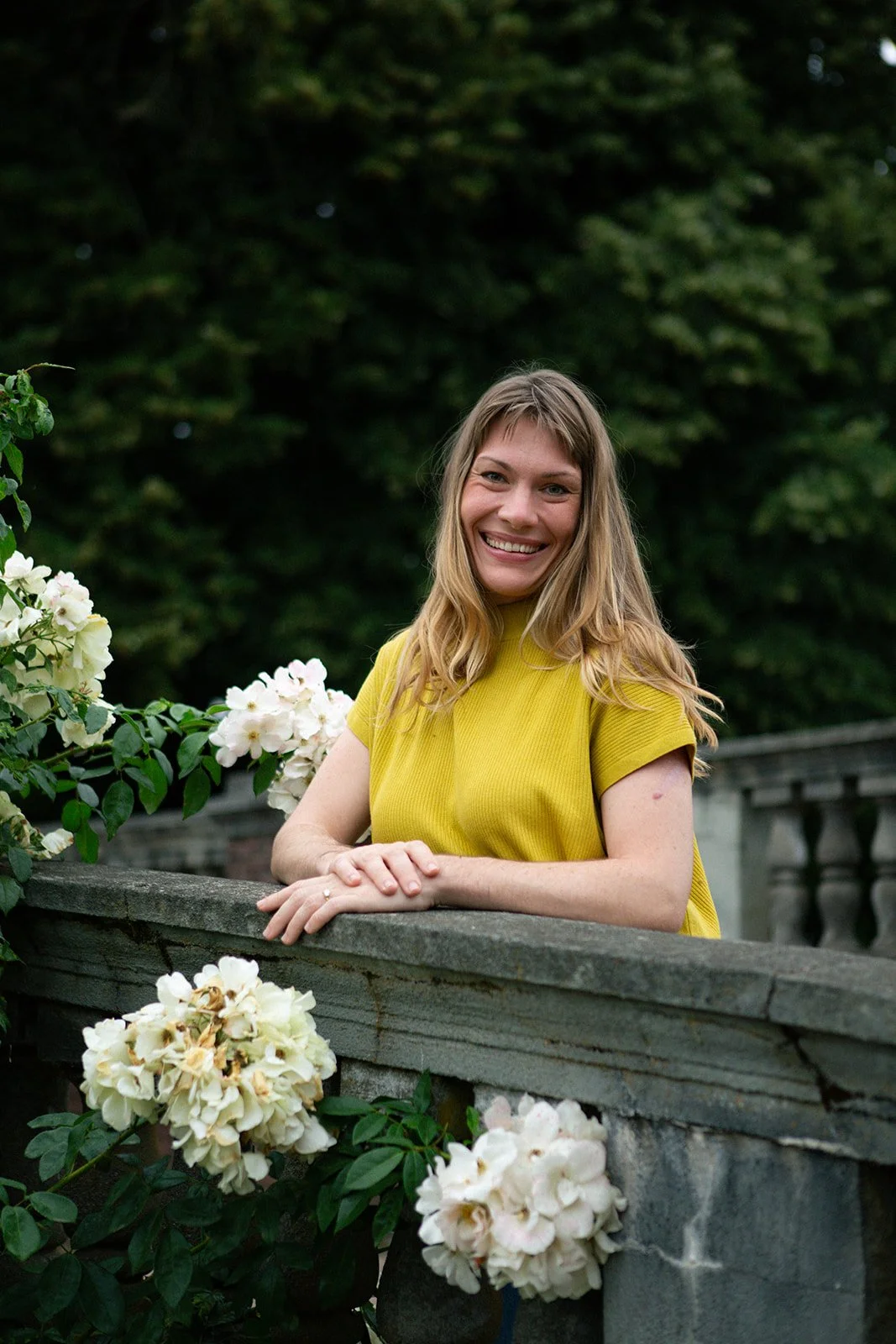
Lauren Frey, M.A., is the instructor of the Hamlet book cohorts. She received her M.A. in English Literature in 2019 from Georgetown University. After a six-year career working in public health communications, she founded The New Commons in 2026.
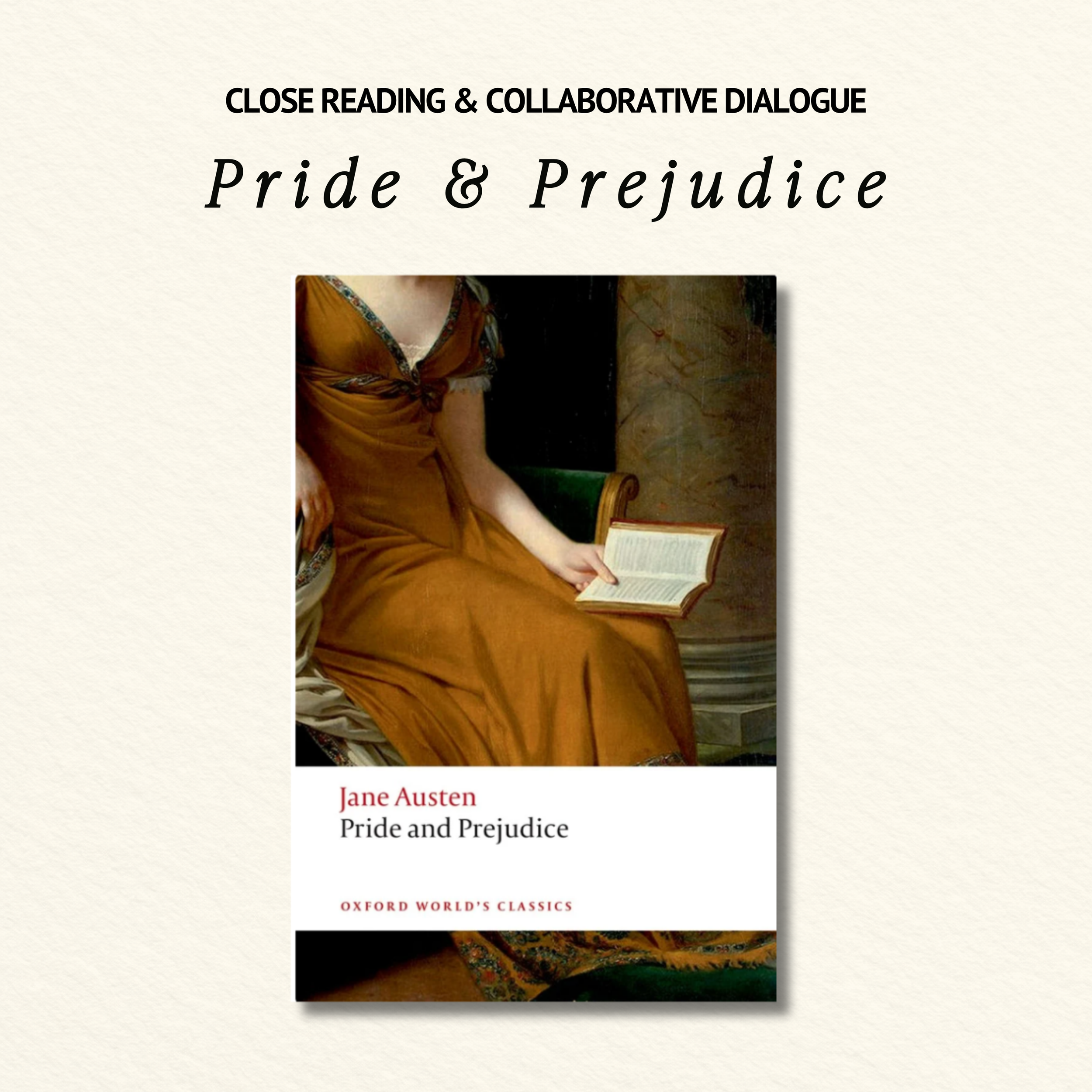
Join us for a four-week cohort on The Odyssey this August!
TUESDAYS:
Dates: August 18, 25, September 1, 8
Times: 5 - 6:30PM PT
WEDNESDAYS:
Dates: August 19, 26, September 2, and 9
Times: 6:30 - 8pm PT
Details: https://www.thenewcommons.com/theodyssey
Location: Virtual via Zoom
Instructor: Julian Mammano
Use “FOUNDINGMEMBER” for 20% off on this cohort and on all cohorts you register for in the future. This membership is available to all who join a cohort by December 31st!